
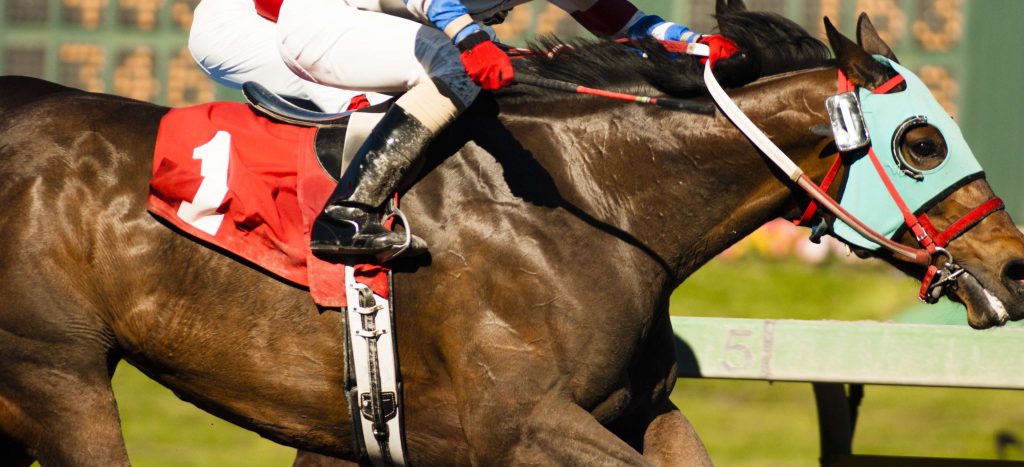
 Whether you are in the shadows of Churchill Downs’ famed twin spires, amid the rolling bluegrass fields of Keeneland or most racetracks across the country, horse racing has always been about more than money. It’s about the roar when your longshot surges down the stretch, the shared excitement with buddies on a group bet, and the fair chance that a sharp handicapper can beat the game. But for growing numbers of everyday bettors, that magic is fading. A controversial practice known as Computer Assisted Wagering (CAW) is reshaping the sport—and leaving many players frustrated enough to walk away.
What Is CAW?
CAW refers to high-volume, algorithm-driven betting by professional syndicates. These groups use powerful computers, real-time tote data, and lightning-fast batch betting to identify “overlays”—situations where the potential payout in a pool exceeds the true mathematical odds—then flood those opportunities with millions of dollars in seconds.
Unlike traditional handicapping, which relies on studying past performances, trainer patterns, track bias, and racing form, CAW players rarely care which horse wins. Their strategy is straightforward: break even (or close to it) on the actual race outcome while collecting substantial rebates from the tracks, often 15-21% of their massive handle. In the parimutuel system, all bets flow into shared pools. The track deducts 18-23% and distributes the rest according to the final odds. CAW groups exploit that structure by pumping enormous volume across win, exacta, trifecta, pick-four, pick-five, and even rainbow pick-six pools for their almost guaranteed returns.
Seasoned handicapper and owner of horse picking site FatBaldGuyRacing.com, known as Keeneland Dan, has been immersed in horse racing his entire life. Thirteen years ago, he and a neighbor launched FatBaldGuyRacing.com as a casual back-porch idea. Today it thrives while much of the industry struggles: “Everybody else that does this continues to shrink and we continue to grow,” he said. “Every year we get more members and more meet ups.” His team of seven veteran handicappers covers major Kentucky meets, Gulfstream, Saratoga, as well as a number of smaller tracks. Subscribers can buy single-day cards for the tracks of choice or monthly packages, or annual access—often getting value on multiple tracks for the price of one.
The Growing Frustration
The core complaint about the CAW groups is simple but profound: They receive advantages regular bettors do not. They often access detailed pool information and can place bets extremely close to post time—sometimes right up to the gate, or event after the race goes off as some claim. This creates dramatic late odds swings that turn planned value bets into disappointments.
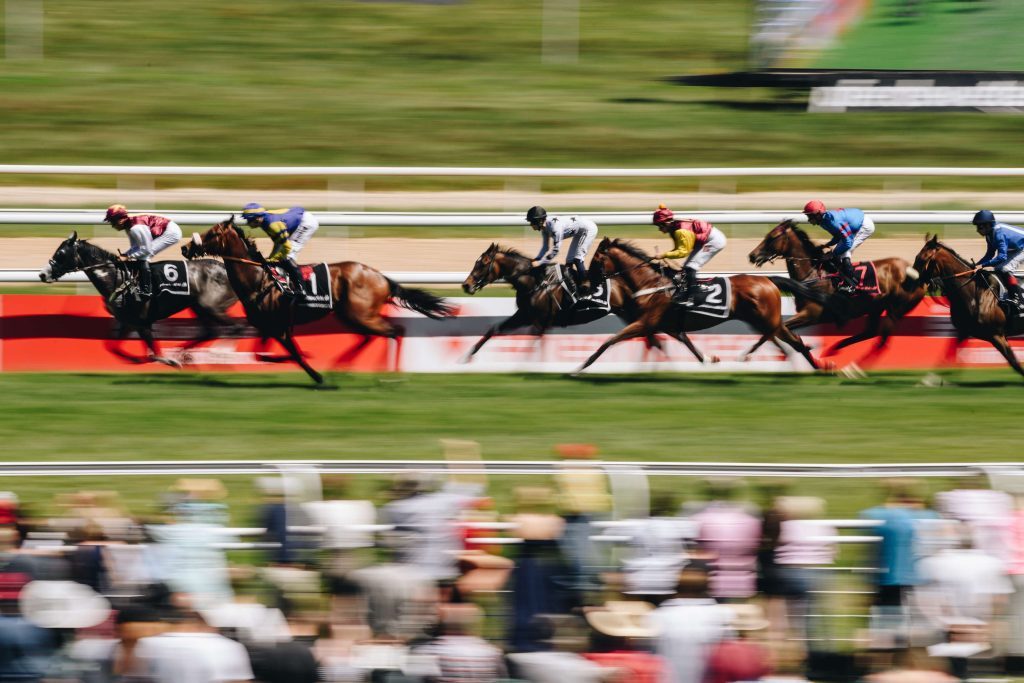
“You may look at the pool with three minutes to go and think, ‘I like this 8-7 exacta, it’s gonna pay 50 bucks,’” Keeneland Dan explained. “Then the computer hammers it as it’s going into the gate, the bet hits and you get 26 bucks.” Recreational players feel the sting most acutely. Imagine a group of friends pounding a 20-1 longshot only to watch it shorten to 5-1 by the stretch. They cash the ticket, but the celebration dies. “It’s a terrible feeling,” He said. “They think somebody stole from them… You don’t want people winning money and being mad when they do win.”
Then, rebates widen the gap. A solid mid-level player might earn 7-8% back. CAW syndicates betting tens or hundreds of millions annually can secure 19-21%. Their model often involves spreading money to minimize risk on the outcome, then profiting from the rebate. One big pick-six score can offset a year of near-breakeven play. And it happens every day—not just on Derby or Breeders’ Cup cards, but on ordinary Thursday programs at Oaklawn or elsewhere, and these optics compound the problem. Even when bets technically stop at the gate, tote updates lag, making it look like money is pouring in mid-race. “It’s a bad look,” Dan stressed repeatedly. “Something’s gotta be done.”
The Pros: Necessary Liquidity?
CAW isn’t without its defenders. These syndicates inject billions into the pools each year—by some estimates 25-35% of total U.S. handle. That volume helps sustain larger purses and keeps some tracks financially viable. Without it, exotic payouts could shrink dramatically, and overall liquidity would suffer. Tracks benefit from the steady, high-volume handle, and some argue the activity makes markets more efficient over time.
The Cons: Eroding the Fan Base
For the casual race fans who attend once or twice a year, families enjoying a day at the races, or local handicappers grinding value—the downsides outweigh the benefits. Handle has been under pressure industry-wide, and many big recreational players have simply quit, turning instead to sports betting with its even-money lines, perks, and transparency. “There’s too many other options now,” Dan noted. “You can get even money on a sports bet every night…and in Vegas they’ll give you free rooms, limo rides to a from the airport and a lot of incentives to do business with them.” Knowing this, many bettors are opting for the greener pastures of other betting options.
However, recent developments underscore the tension. In late 2025, a class-action lawsuit was filed in New York accusing major track operators (including entities tied to Churchill Downs and NYRA) of colluding with CAW platforms to disadvantage everyday bettors. The suit alleges RICO violations, conspiracy, and unjust enrichment. Meanwhile, NYRA implemented meaningful guardrails in early 2026, cutting off most CAW activity at one minute to post across pools and limiting late betting speed. The move has reduced dramatic volatility and earned praise for prioritizing the customer experience. Some tracks have quietly adjusted rebate structures or win-pool policies, but many fans feel the changes remain too slow and inconsistent.
What the Industry Should Do
Keeneland Dan offers practical, bettor-focused solutions suggesting to first, adopt a clear, visible betting clock—similar to those in boxing or basketball. “When the clock hits zero, there’s no more bets—before the race is ever run.” Fans would adapt by betting earlier, and final odds would settle with time to spare. “Everybody will get their bets in… It gives the computer a chance to update the final odds.”
Second, greater transparency giving public bettors access to the same pool data CAW groups receive. Standardize or cap rebate tiers so the system doesn’t disproportionately favor massive volume at the expense of smaller players.
Third, and most importantly, racing needs independent oversight. “The racetracks are in desperate need of a commissioner,” Dan said, “just like any other professional sport… We need gamblers, we need handicappers on those boards. Somebody that cares about the bettor and not just some rich guy that owns farms in Kentucky.”
However, horse racing still has unmatched soul—mint juleps under the twin spires, tailgating at Keeneland, opening day at Santa Antia, the electric atmosphere when a hometown longshot delivers. CAW threatens to erode that by making the game feel stacked. But with thoughtful reforms—clear cutoffs, better transparency, and genuine focus on the recreational bettor—the industry can restore confidence.
FatBaldGuyRacing’s continued growth shows that passionate handicappers and fans still love the game when it feels fair. The question now is whether track operators will listen before more voices decide the rail isn’t worth the frustration anymore.