
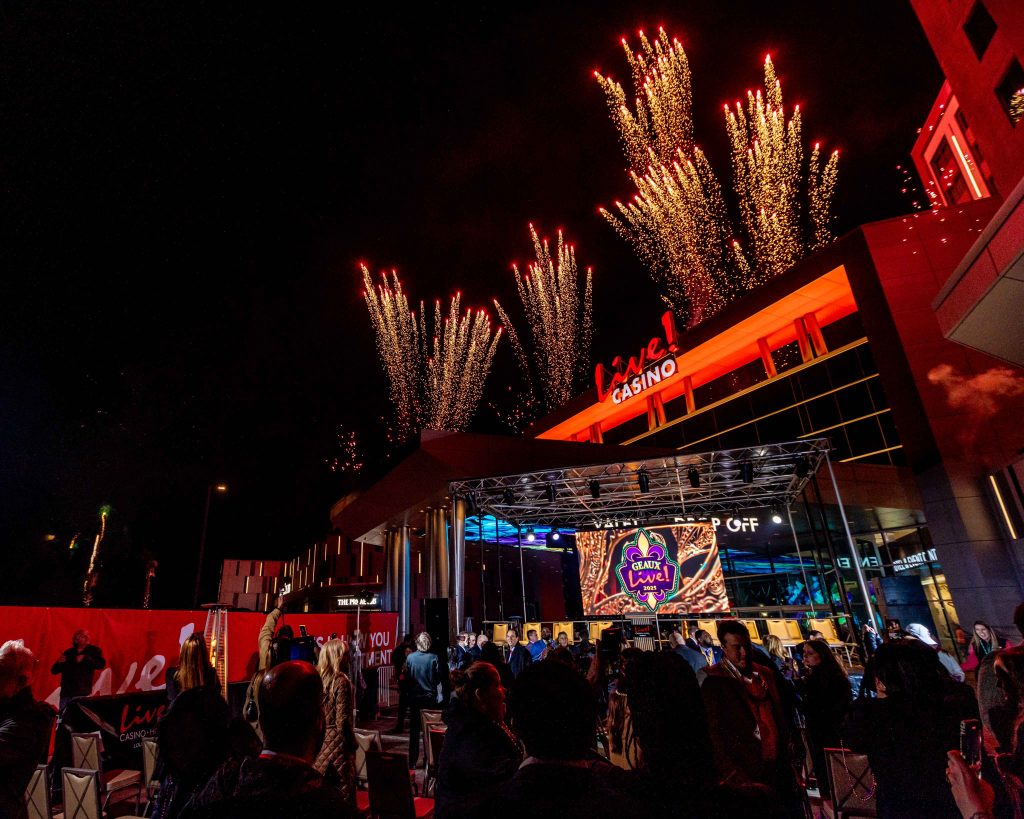
Live! Casino & Hotel Louisiana in Bossier City has a over 1,000 slot machines, 40+ live-action table games, a sportsbook plus 550-room hotel, four restaurants, five bars and lounges and a resort-style pool.
For decades, Las Vegas has stood as the unrivaled capital of American gaming — a dazzling hub of entertainment, hospitality, and iconic casino culture.
And while the city continues to draw millions each year, recent tourism data reveals softening trends that may influence how players plan their future gaming trips.
As Las Vegas navigates higher travel costs, evolving leisure patterns, and increasing competition for visitor dollars, casino resorts throughout the South and Midwest are witnessing a growing opportunity: more players are choosing regional destinations over long-haul trips to Nevada.
Vegas Remains Strong — But Key Indicators Are Shifting
According to the Las Vegas Convention and Visitors Authority (LVCVA), the city welcomed 41.7 million visitors in 2024. While impressive, the figure remains slightly below the pre-pandemic peak of 42.5 million recorded in 2019. Recovery in 2023 and 2024 was encouraging, but several 2025 month-to-month reports have shown periodic year-over-year visitation declines, suggesting that the market is stabilizing rather than expanding.
Several factors that are contributing to this shift are higher airfare and travel expenses, premium-priced rooms and resort services, crowded peak periods and more attractive offers from casino resort options that are closer to home.
For years, Las Vegas thrived on the assumption that travelers would eagerly board a plane for the “full” Vegas experience. Today, however, a growing number of core gaming customers are asking a different question: “Why fly when I can drive to something comparable?”
Beyond travel logistics, the rising costs on the Strip have reshaped the value equation. Dining, cocktails, shows, nightlife, and even casual experiences command premium pricing. As Southern & Midwest Gaming & Destinations publisher Douglas Dreisbach notes, “While Vegas is still the ultimate entertainment destination, there are many fantastic resort-style casinos throughout the region that deliver much of what players look for in Las Vegas — without the travel time or the high cost.”

The suites at Scarlet Pearl Casino Resort on the Mississippi Gulf Coast.
The allure of Vegas remains powerful, shaped by its storied past and its transformation into a modern entertainment capital complete with fine dining, luxury shopping, and professional sports. But it is also a city that has evolved far beyond the days of $.99 shrimp cocktails and low-limit tables. “Today’s Vegas is certainly different than it was twenty years ago,” Dreisbach adds. “We’re a long way from cheap meals and $5 blackjack. Many players are finding that regional casinos now provide the convenience and value that match their gaming preferences.”
The Regional Resort Advantage
Across the South and Midwest, casino resorts have invested heavily in hotel upgrades, entertainment venues, fine and casual dining, sportsbooks, spas, and event programming — creating regional destinations that rival large-scale national markets. Combined with shorter travel times and greater value, these properties have become appealing alternatives for both frequent players and occasional getaway travelers.
A Long-Term Opportunity for Regional Gaming Markets
Las Vegas will always be a world-class destination with a brand that transcends the gaming industry. However, the recent shift in visitation underscores a broader trend: players are rediscovering the convenience, value, and personalized experiences offered by regional casino resorts.
For properties across the South and Midwest, the opportunity is significant. By leaning into competitive advantages — including high-value offers, engaging entertainment, strong host programs, and the convenience of being a short drive away — regional casinos can strengthen loyalty, increase visitation frequency, and capture a greater share of gaming spend that might otherwise have gone to Nevada.
As Dreisbach summarizes, “Las Vegas will always have its place, but the regional market has never been stronger. Players are recognizing that they can get the gaming and entertainment experience they want much closer to home.”
With smart promotions, strategic marketing, and ongoing investment, regional casino resorts are well-positioned to meet this moment — and to continue winning over players who once reserved all their excitement for the Las Vegas Strip.
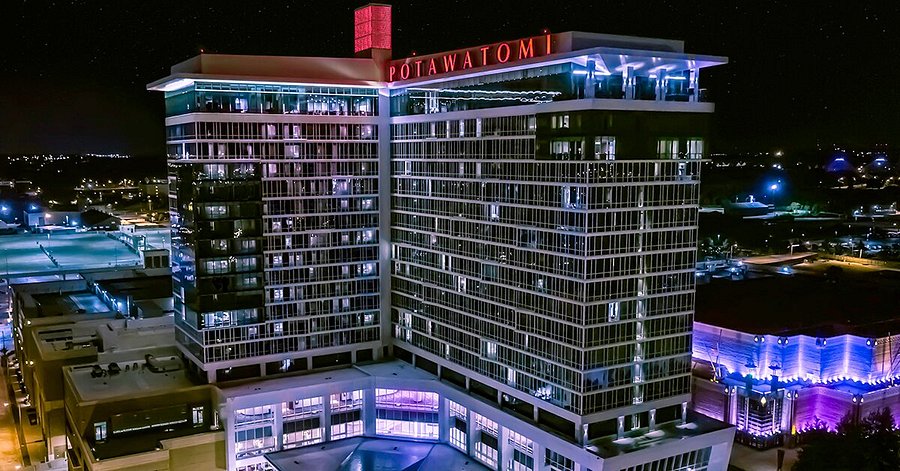
Potawatomi Casino Hotel in Milwaukee features 3,000 slots, 100 table games, 20 poker tables, bingo, a sportsbook, 9 restaurants and bars, 500 hotel rooms, and a conference center.
Why Regional Casinos Are Gaining Ground
- Drive-Market Convenience
Most players can arrive within one to three hours, avoiding airports, security lines, and long travel days. - Better Value and Predictable Costs
Hotel rates, dining, entertainment, and service fees typically remain well below Vegas levels, delivering more play for the same budget. - Personalized Service & Strong Player Relationships
Regional properties often excel in host interaction and reward reinvestment, creating loyalty experiences that feel more tailored and accessible. - Accessible Entertainment
Rather than large-scale residencies, players enjoy concerts, comedy, festivals, and regional events that feel engaging without the Vegas price tag. - Relevant, High-Value Packages
Offers that include free play, dining credits, hotel discounts, golf packages, and weekday staycation bundles provide tangible value — something Las Vegas has increasingly stepped away from.