Some sports years belong to a dynasty. Others belong to a superstar. This year offered fans of all sports outcomes that they may have waited a lifetime to see finally happen. Indiana became a college football champion. American men’s hockey ended a decades-long Olympic gold drought. A woman trained a Kentucky Derby winner for the first time. Along the way, favorites survived, underdogs interrupted the script and a few seemingly comfortable leads disappeared.
For fans watching from the stadiums, living rooms and casino sportsbooks, the appeal went beyond collecting winners. These were stories about expectations: who was supposed to win, who refused to lose and how quickly the difference between the two could vanish. With the final chapters of the calendar still ahead, here are some of the moments that have already given 2026 a place in sports memory.
Indiana Makes the Unthinkable Official
The year barely had time to settle in before Indiana delivered a championship that would once have sounded like a basketball prediction gone wrong. On January 19, the Hoosiers defeated Miami 27–21 to complete a 16–0 season and claim the program’s first football national championship. Curt Cignetti’s team finished the job against an opponent playing in its home stadium, turning an extraordinary season into a permanent change in how Indiana football will be remembered.
The defining image belonged to Fernando Mendoza. With his back against the wall staring at fourth down with 4 yards to the first down in the fourth quarter, the Heisman Trophy winner powered through a 12-yard touchdown run, stretching for the end zone with the championship still in doubt. It was the kind of play that needs little explanation on replay: a quarterback, a narrowing opportunity and the refusal to go down. Across the Midwest, Bloomington’s arrival at the center of the football world gave fans a reason to reconsider which programs belong in the championship conversation.
Seattle Seahawks Win Super Bowl With Substance
Super Bowl LX supplied a different kind of statement when the Seattle Seahawks defeated the New England Patriots 29–13 on February 8, earning its second Super Bowl title behind a defense that dictated the game. Kenneth Walker III rushed for 135 yards and received MVP honors, while Jason Myers supplied a Super Bowl-record five field goals. The championship offered plenty to celebrate without requiring a back-and-forth scoring showcase. It was a reminder that a dominant defense can shape the biggest game as decisively as a spectacular passing attack.
That distinction mattered in a sport often discussed through quarterbacks and passing highlights. Seattle’s victory rewarded control: running effectively, applying pressure and repeatedly taking the points available. Sam Darnold finished the night a Super Bowl-winning quarterback, but the broader picture was a team whose different units supported one another. On the biggest football Sunday of the year, the most memorable performance was a collective one.
Overtime Gold, Twice
The Winter Olympics in Milano Cortina delivered the sort of tension that makes even occasional hockey viewers forget to breathe. On February 22, Jack Hughes scored in overtime to give the United States a 2–1 victory over Canada and its first men’s Olympic hockey gold medal since 1980. Connor Hellebuyck’s 41 saves were essential to making that golden finish possible. The last shot became the image; the goaltending kept the opportunity alive. That balance between one celebrated finish and dozens of quieter saves is part of what makes hockey’s narrowest victories so compelling.
Days earlier, the American women had also beaten Canada 2–1 in overtime, with Megan Keller scoring the winner. Together, the finals produced an extraordinary American hockey double against its greatest rival. Neither needed a sprawling scoreline to become unforgettable. In a sudden-death setting, every loose puck and defensive recovery carries the possibility of ending years of preparation. For the Americans, two of those endings became celebrations. Every possession carried consequences.
March Reminds Everyone Why They Watch
March Madness once again made a persuasive argument against confidence. No. 12 seed High Point beat No. 5 Wisconsin 83–82, with Chase Johnston providing the decisive layup. VCU supplied another jolt by erasing a 19-point second-half deficit against North Carolina and winning 82–78 in overtime. Different games, same familiar lesson: the tournament does not recognize the point at which viewers decide a result should be settled.
The championship ultimately belonged to Michigan, which defeated UConn 69–63 on April 6. Elliot Cadeau scored 19 points as the Wolverines finished 37–3. That combination of early chaos and an accomplished champion is part of the tournament’s lasting appeal. An upset can own an afternoon, while winning the entire event demands something more sustained. Both have a place in the tournament’s identity: the surprise that draws everyone in and the consistency that eventually earns the trophy. For bracket players and bettors alike, March offered another reminder that identifying a strong team and surviving every dangerous matchup are separate challenges.
Rory McIlroy Finds a Familiar Shade of Green
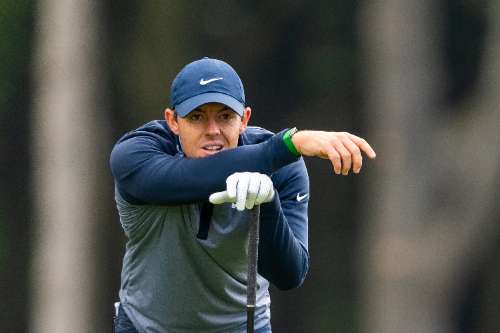
At Augusta National, Rory McIlroy turned a breakthrough into a repeat performance. His successful Masters defense made him just the fourth player to win consecutive green jackets, joining Jack Nicklaus, Nick Faldo and Tiger Woods. The first victory had answered whether he could finally win at Augusta; the second established that his place there would extend beyond one emotional Sunday.
Repeating also changes the pressure. A defending champion arrives with proof that the course suits his game, but also with memories and expectations that cannot hit the next shot for him. McIlroy’s return to the winner’s circle provided a useful counterpoint to a year filled with surprises. Sometimes the compelling story is an underdog finding a way through. Sometimes it is an established star accomplishing something that even most great players never manage.
Golden Tempo Delivers a Derby for the History Books
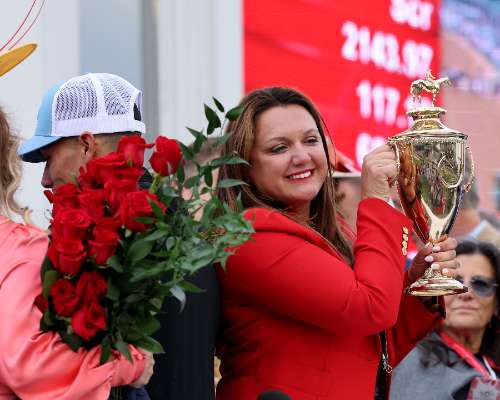
For readers in Kentucky, the first Saturday in May supplied one of the year’s most satisfying combinations: a dramatic finish, a meaningful milestone and a substantial win payout. Golden Tempo rallied from last to win the 152nd Kentucky Derby, giving Cherie DeVaux the distinction of becoming the first woman to train the race’s winner. Jose Ortiz delivered the winning ride as Golden Tempo edged Renegade, and his brother jockey Irad, at Churchill Downs.
The final odds were 23-1 and a $2 win ticket returned $48.24. Those numbers help explain the excitement, but the achievement reaches beyond the mutuel windows. The Derby can compress years of work into a few decisive strides, and this running added a new name to a historic first. For handicappers, it was a vivid example of a long shot succeeding in a particular race—not evidence that backing every outsider is a winning approach.
New York Finally Gets Its Finish
The NBA Finals delivered both a championship drought ending and a comeback that threatened to overshadow the trophy presentation. The Knicks won their first title since 1973, defeating San Antonio in five games. Jalen Brunson scored 45 points in the 94–90 clincher, giving New York the closing performance its fans had spent generations hoping to see.
Before that celebration came Game 4. New York erased a 29-point deficit and won 107–106 on OG Anunoby’s tip-in with 1.2 seconds remaining, completing the largest comeback in Finals history. For anyone who had mentally filed the game away, the ending was a sharp correction. It also captured the difference between an apparently secure position and a completed result. The final rebound still had to be won, and Anunoby was there to win it.
The World Comes to North America
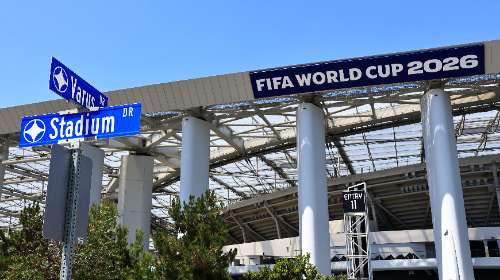
The World Cup made 2026 unusually expansive even by a busy sports year’s standards. Staged across the United States, Canada and Mexico, the first 48-team edition brought 104 matches to the continent. Spain finished on top, defeating Argentina 1–0 in extra time on July 19 as Ferran Torres scored in the 106th minute. A tournament of unprecedented size ended with the smallest possible winning margin.
For American audiences, the event made international soccer part of the summer’s daily conversation. For bettors, the final also illustrated a distinction that deserves attention whenever soccer reaches a broader audience: a standard three-way match-result wager generally settles after regulation and stoppage time, while a wager on the team to lift the trophy includes the eventual winner after extra time or penalties, subject to the market’s rules. Spain became champion; the regulation-time result was a draw.
Still Time for Another Surprise
As this issue goes to press, the calendar still has room for more drama, including the World Series, the Breeders’ Cup and the closing stretch of the football season. A November retrospective necessarily leaves space for those unfinished stories. But the year already has a recognizable character: long waits rewarded, familiar assumptions challenged and outcomes that remained uncertain until the last meaningful play.
That is what connects a touchdown in Miami, an overtime goal in Milan, a late charge at Churchill Downs and a rebound at Madison Square Garden. The settings and stakes change. The reason to keep watching does not. In 2026, the next moment has repeatedly been worth staying for.